Here's a breakdown:
Properties of Oil:
* Viscous: Oil has a high viscosity, meaning it resists flow. This varies between different types of oil.
* Insoluble in water: Oil and water don't mix, making oil float on top of water.
* Combustible: Oil is flammable and can burn readily.
* Non-polar: Oil is a non-polar substance, meaning it doesn't have a positive or negative end. This is why it doesn't mix with water (which is polar).
* Color: Oil can range in color from light yellow to black, depending on the type of oil.
* Odor: Oil can have a distinctive odor, which varies between types.
Elements in Oil:
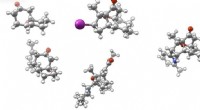
* Carbon (C): The primary element in oil.
* Hydrogen (H): The second most abundant element, forming hydrocarbon chains.
* Oxygen (O): Found in smaller amounts, primarily in oxygenated compounds like alcohols and ketones.
* Nitrogen (N): Present in trace amounts, often associated with nitrogen-containing compounds.
* Sulfur (S): Can be present in varying amounts and can cause environmental problems.
* Trace elements: Other elements like nickel, vanadium, and iron can occur in very small quantities.
Relationship between Properties and Elements:
The chemical composition of oil, primarily its hydrocarbon chains, largely determines its properties:
* Viscosity: Longer hydrocarbon chains increase viscosity.
* Insolubility in water: The non-polar nature of hydrocarbons makes oil insoluble in water.
* Combustibility: Hydrocarbons readily react with oxygen, releasing energy and forming carbon dioxide and water.
Additional Information:
* Types of oil: Different types of oil, like crude oil and refined oils, have varying compositions and properties.
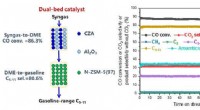
* Oil refining: The process of refining oil involves separating and processing its components to create various products like gasoline, diesel, and kerosene.
Let me know if you have any other questions about oil!