1. Energy Production:
* Cellular Respiration: Oxidation is the core process in how our bodies obtain energy from food. Glucose is oxidized, releasing energy that is used to fuel our cells.
* Combustion: The burning of fuels like wood and gasoline involves the rapid oxidation of these substances, releasing heat and light.
2. Corrosion:
* Rusting: The formation of rust on iron is a classic example of oxidation. Iron reacts with oxygen in the presence of water, losing electrons and forming iron oxide (rust).
3. Synthesis and Degradation:
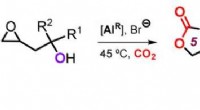
* Organic Chemistry: Oxidation is crucial in the synthesis and breakdown of organic molecules. For example, alcohols can be oxidized to aldehydes or ketones.
* Biochemistry: Oxidation is involved in many metabolic reactions, including the breakdown of fats and the production of hormones.
4. Chemical Reactions:
* Redox Reactions: Oxidation always occurs in conjunction with reduction, a process where a substance gains electrons. These coupled reactions are known as redox reactions, which drive many important chemical processes.
5. Environmental Chemistry:
* Ozone Formation: The formation of ozone in the upper atmosphere involves the oxidation of oxygen molecules.
* Air Pollution: The oxidation of pollutants like sulfur dioxide in the atmosphere contributes to acid rain.
Key Takeaways:
* Oxidation is the loss of electrons by a substance.
* It is a fundamental chemical process involved in energy production, corrosion, synthesis, and degradation.
* Oxidation always occurs alongside reduction in redox reactions.
* It plays a significant role in various natural and industrial processes.
Understanding oxidation is essential for comprehending many chemical reactions and their implications in various fields.