What is a chemical change?
A chemical change involves the formation of new substances with different chemical properties. This often involves breaking and reforming chemical bonds.
Substances that can be decomposed by chemical change:
* Compounds: These are substances formed by the chemical combination of two or more elements in a fixed ratio. Examples include:
* Water (H₂O): Electrolysis can decompose water into hydrogen and oxygen gas.
* Sodium chloride (NaCl): Electrolysis can decompose salt into sodium and chlorine.
* Sugar (C₁₂H₂₂O₁₁): Heating sugar can decompose it into carbon, water, and other products.
* Calcium carbonate (CaCO₃): Heating calcium carbonate can decompose it into calcium oxide and carbon dioxide.
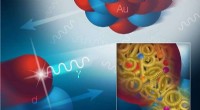
* Some elements: While elements are the simplest forms of matter, some can be decomposed into simpler substances by nuclear reactions (which are also chemical changes). For example, radioactive isotopes like uranium-235 can undergo nuclear fission, breaking down into smaller elements.
Important Considerations:
* Decomposition Reactions: These are specific types of chemical reactions where a single compound breaks down into two or more simpler substances.
* Energy Requirements: Decomposition often requires energy input, such as heat, electricity, or light.
* Reverse Reactions: Some decompositions can be reversed under different conditions. For example, the products of water electrolysis can be recombined to form water again.
Let me know if you'd like more specific examples or have any other questions about chemical changes!