1. Acid Production:
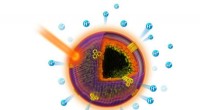
* Bacteria in your mouth, particularly Streptococcus mutans, feed on sugars and starches in your diet.
* These bacteria produce acids as a byproduct of their metabolism.
* The most common acid produced is lactic acid, which is a weak but corrosive acid.
2. Enamel Erosion:
* Enamel, the hard outer layer of your teeth, is composed of hydroxyapatite, a mineral with a high concentration of calcium and phosphate.
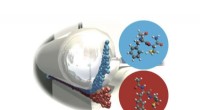
* The acids produced by bacteria react with the hydroxyapatite in your enamel, causing it to dissolve.
* This dissolution process is a chemical reaction known as demineralization.
3. Cavity Formation:
* As the enamel is eroded, tiny holes or cavities begin to form in the tooth.
* These cavities can progress deeper into the tooth, eventually reaching the dentin (the softer layer beneath the enamel) and even the pulp (where the nerves and blood vessels are located).
The chemical reaction can be summarized as:
Sugar + Bacteria → Acids → Demineralization of Enamel → Cavity Formation
Factors that Influence Tooth Decay:
* Diet: High sugar and starch intake fuels the bacteria that produce acids.
* Oral hygiene: Regular brushing and flossing remove food debris and bacteria, preventing acid buildup.
* Saliva: Saliva helps neutralize acids and remineralize enamel.
* Genetics: Some people are genetically predisposed to tooth decay.
Prevention and Treatment:
* Proper oral hygiene: Brush twice a day, floss daily, and use fluoride toothpaste.
* Balanced diet: Limit sugary and starchy foods and drinks.
* Regular dental checkups: Allows early detection and treatment of cavities.
* Fluoride treatment: Strengthens enamel and makes it more resistant to acid attack.
* Fillings, crowns, or other restorative treatments: Repair damaged teeth.
In essence, tooth decay is a complex process that involves a chemical reaction between acids produced by bacteria and the mineral components of your teeth. By understanding the process and practicing good oral hygiene, you can significantly reduce your risk of developing cavities.