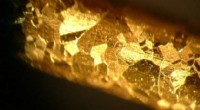
* Highly Reactive: Alkali metals have a single valence electron, making them extremely reactive. They readily lose this electron to form positive ions, which is why they are so eager to react with other elements.
* Reaction with Air: When exposed to air, alkali metals react rapidly with oxygen to form oxides. This reaction is exothermic and can even ignite the metal, causing a fire.
* Reaction with Water: The reaction of alkali metals with water is even more violent. They react vigorously to produce hydrogen gas and a metal hydroxide. This reaction releases a significant amount of heat, which can cause the hydrogen to ignite, leading to explosions.
* Reaction with Moisture: Even the moisture in the air can cause alkali metals to react, so it's crucial to keep them dry.
Kerosene as a Solution:
* Inert: Kerosene is an inert hydrocarbon that doesn't react with alkali metals.
* Density: Kerosene is denser than water, so it forms a protective layer on top of the alkali metals, preventing them from coming into contact with moisture.
* Non-Flammable: Kerosene is a flammable liquid, but it has a higher flash point than alkali metals, meaning it is less likely to ignite.
Therefore, storing alkali metals in kerosene keeps them away from oxygen, moisture, and air, preventing potentially dangerous reactions.
Note: While kerosene is a common method for storing alkali metals, other inert liquids like mineral oil are also used.