* Melting Point is a Specific Property: The melting point is a specific physical property of a pure substance. It's the temperature at which a solid changes into a liquid under atmospheric pressure. Each substance has a unique melting point.
* Groups of Substances are Diverse: "Group substance" is not a well-defined term in chemistry. It could refer to:
* Elements in a Group (Column) of the Periodic Table: Elements in the same group share similar chemical properties, but their melting points can vary significantly.
* A Mixture: Mixtures are combinations of multiple substances, and their melting points depend on the composition of the mixture. They don't have a single, defined melting point.
What you *can* do:
* Compare Melting Points of Elements: If you're looking at elements in a group on the periodic table, you can compare their melting points. You'll notice trends based on atomic size, bonding, and other factors.
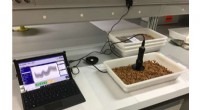
* Determine the Melting Point of a Pure Substance: You can experimentally determine the melting point of a pure substance using a melting point apparatus. This involves heating the substance slowly and observing the temperature at which it transitions from solid to liquid.
Let me know if you have a specific group of substances in mind, and I can help you find their melting points or discuss trends in melting points.