1. Understanding the Problem:
* Nature of the acid: Determine the chemical structure of the acid. Some acids are inherently less soluble in water due to their non-polar nature or strong intermolecular forces within the solid structure.
* Concentration: Consider the concentration of the acid. Highly concentrated acids may be less soluble than dilute solutions.
* Temperature: Solubility often increases with temperature.
2. Solutions:
* Increase Temperature: Heating the water can increase the solubility of many acids. Be cautious, as some acids may decompose at higher temperatures.
* Use a Different Solvent: Explore the use of a different solvent, such as ethanol or a mixture of water and ethanol. The acid may have higher solubility in a less polar solvent.
* Change the Form: If possible, convert the acid to a more soluble form. For example, you can use a salt of the acid, which might be more soluble in water.
* Mechanical Mixing: Vigorous stirring or shaking can help to dissolve the acid.
* Add a Catalyst: In some cases, adding a small amount of a catalyst (like a base) can help facilitate the dissolution process.
* Consider an Alternative Approach: If dissolution is proving difficult, you might need to consider alternative methods to use the acid, such as using a different reaction or employing a different form of the acid.
Safety Considerations:
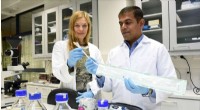
* Always wear appropriate safety gear (gloves, goggles, lab coat) when working with acids.
* Work in a well-ventilated area.
* Add acid to water, never water to acid. This is important to control the heat generated during dissolution, which can be dangerous in the case of concentrated acids.
Important Note: It's crucial to consult reliable chemical literature and safety data sheets (SDS) for specific information on the acid you are working with. These resources will provide detailed information about the appropriate handling procedures and safety precautions for that particular acid.