Here's a breakdown of common byproducts and their characteristics:
Iron (Steel):
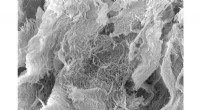
* Rust (Iron Oxide): The most common byproduct of iron corrosion, characterized by its reddish-brown color, flaky texture, and porous nature. Its chemical formula is Fe₂O₃•H₂O. Rust formation is typically accelerated by moisture and oxygen.
* Iron Hydroxide (Fe(OH)₂ and Fe(OH)₃): These compounds are also formed during corrosion and contribute to the overall rust formation.
* Other Iron Oxides: Various forms of iron oxide can be generated depending on the environmental conditions, including FeO (ferrous oxide) and Fe₃O₄ (magnetite).
Copper:
* Copper Oxide (CuO): This is the primary byproduct of copper corrosion, often forming a green or blue patina.
* Copper Carbonate (CuCO₃): Forms in humid environments and contributes to the green patina.
* Copper Sulfate (CuSO₄): Develops in environments with high sulfur content, contributing to a blue or green patina.
Aluminum:
* Aluminum Oxide (Al₂O₃): Forms a thin, protective layer known as "alumina" that resists further corrosion. This layer is responsible for aluminum's excellent corrosion resistance.
Other Metals:
* Oxides and Hydroxides: Most metals will form oxides and hydroxides during oxidation, with the specific compounds varying depending on the metal.
* Salts: In environments with high salt content, corrosion can lead to the formation of metal salts, which can contribute to further corrosion.
General Effects of Byproducts:
* Weakening of the Metal: Corrosion byproducts weaken the metal structure, reducing its strength and integrity.
* Aesthetic Damage: The formation of corrosion products can affect the appearance of metal pipes, leading to discoloration, pitting, and other visual defects.
* Environmental Contamination: Certain byproducts, such as lead and chromium oxides, can pose environmental hazards.
Prevention and Mitigation:
* Protective Coatings: Applying coatings like paint, galvanizing, or anodizing can create a barrier against corrosion.
* Cathodic Protection: Applying an electric current to the metal can prevent or slow down corrosion.
* Environment Control: Managing factors like humidity, temperature, and exposure to corrosive agents can minimize corrosion.
It is crucial to identify the specific metal and the environment in which it is located to understand the specific byproducts and choose the most appropriate corrosion prevention methods.