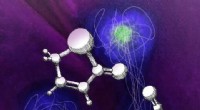
Cyclopentene + H₂ → Cyclopentane
In more detail:
* Reactants:
* Cyclopentene: A cyclic alkene with the formula C₅H₈
* Hydrogen gas (H₂): The source of hydrogen atoms
* Catalyst: Palladium (Pd): A transition metal that facilitates the reaction by providing a surface for the reactants to bind to and interact.
* Product: Cyclopentane: A cyclic alkane with the formula C₅H₁₀
Mechanism:
1. Adsorption: Both cyclopentene and hydrogen molecules adsorb onto the surface of the palladium catalyst.
2. Hydrogenation: The hydrogen atoms on the catalyst's surface break the double bond in cyclopentene, adding two hydrogen atoms to the molecule.
3. Desorption: Cyclopentane, now saturated, desorbs from the catalyst surface.
Overall: This reaction is a simple addition reaction where the double bond in cyclopentene is broken and replaced with two single bonds to hydrogen atoms, resulting in the formation of cyclopentane.