Compounds
* Fixed composition: Compounds always have the same elements in a fixed ratio. For example, water is always H₂O (two hydrogen atoms and one oxygen atom).
* New substance: When elements combine to form a compound, they create an entirely new substance with properties different from the original elements. For example, sodium (a reactive metal) and chlorine (a poisonous gas) combine to form sodium chloride (table salt), a harmless, white solid.
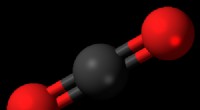
* Chemical bonds: Elements in a compound are held together by chemical bonds, which involve sharing or transferring electrons. This creates a strong, stable structure.
Mixtures
* Variable composition: Mixtures can have varying amounts of each component. For example, you can make salt water with different amounts of salt and water.
* No new substance: Mixtures are simply physical combinations of different substances. The components retain their individual properties. For example, in sand and water, the sand grains remain solid and the water remains liquid.
* No chemical bonds: The components in a mixture are not chemically bonded. They are simply mixed together.
In Summary
The key difference is the type of interaction between the components. Compounds are formed by chemical reactions and have strong bonds, creating a new substance. Mixtures are formed by physical blending, and the components retain their individual properties.
Let me know if you have any more questions!