Here's why:
* Catalysts: Enzymes act as biological catalysts, speeding up chemical reactions without being consumed in the process.
* Specificity: Each enzyme is highly specific for a particular reaction or a small group of reactions.
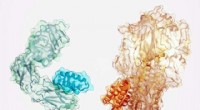
* Active Sites: Enzymes have active sites, specific regions where substrates (reactants) bind and undergo chemical transformations.
* Protein Nature: Enzymes are primarily composed of proteins, though some also contain non-protein components (cofactors).
Examples of enzymes and their roles:
* Lactase: Breaks down lactose (milk sugar) into simpler sugars.
* Pepsin: Breaks down proteins in the stomach.
* DNA polymerase: Builds new DNA strands during replication.
* ATP synthase: Produces ATP, the primary energy currency of cells.
Let me know if you have any other questions!