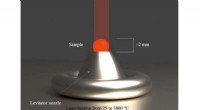
Here's the balanced chemical equation for the reaction:
CH4 + 2O2 → CO2 + 2H2O + Heat
Here's what happens step-by-step:
1. Methane and Oxygen React: Methane molecules (CH4) react with oxygen molecules (O2) in the air.
2. Breaking and Forming Bonds: The bonds within the methane and oxygen molecules break, and new bonds form to create carbon dioxide (CO2) and water (H2O) molecules.
3. Energy Release: This process releases a significant amount of energy, which is why methane burning is used as a fuel source. The heat produced is what makes the flame visible.
In summary:
* Reactants: Methane (CH4) and Oxygen (O2)
* Products: Carbon dioxide (CO2), water (H2O), and heat energy
* Energy Change: Exothermic reaction (releases energy)
Important Note: The burning of methane is a major contributor to greenhouse gas emissions, as carbon dioxide is a potent greenhouse gas.