Permutit
"Permutit" is an older term for a type of ion exchange material, specifically a synthetic sodium aluminosilicate. It's essentially a type of zeolite.
Here's how it works:
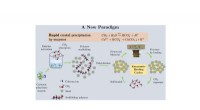
* Ion Exchange: Permutit (or zeolite) has a porous structure with a negative charge. It attracts and holds positively charged ions (cations) from the solution it's in.
* Softening Water: A common use of permutit is in water softening. It removes calcium and magnesium ions (which cause hardness) by exchanging them for sodium ions.
* Exhaustion: Over time, the permutit becomes "exhausted" when all its exchange sites are filled with the unwanted ions (like calcium and magnesium). It can no longer effectively remove them from the water.
Regenerating Exhausted Zeolite
When a zeolite (or permutit) bed becomes exhausted, it needs to be regenerated to restore its ion exchange capacity. This involves a multi-step process:
1. Backwashing: The flow of water is reversed through the bed. This removes any accumulated dirt or particles.
2. Brine Regeneration: A concentrated salt solution (brine) is passed through the bed. This high concentration of sodium ions displaces the calcium and magnesium ions from the zeolite, effectively "recharging" it.
3. Rinsing: Clean water is flushed through the bed to remove any remaining brine and excess sodium ions.
The Regeneration Cycle
The regeneration process effectively resets the zeolite, allowing it to continue removing unwanted ions from the water. This cycle of use, exhaustion, and regeneration is repeated continuously.
Key Points
* Zeolite and Permutit: Essentially the same thing, though "permutit" is an older term.
* Ion Exchange: The core principle of how zeolites work.
* Exhaustion: Happens when the zeolite can't hold any more unwanted ions.
* Regeneration: The process of restoring the zeolite's ion exchange capacity.
Let me know if you have any more questions!