1. Buildings and Monuments:
* Stone: Acid rain reacts with calcium carbonate in limestone, marble, and sandstone, causing it to dissolve and erode. This weakens the structure and creates unsightly pitting and surface damage.
* Metals: Acid rain accelerates corrosion in metals like iron, steel, copper, and bronze. It forms a layer of rust or patina, weakening the material and eventually leading to structural failure.
* Paint: Acid rain can cause paint to fade, chip, and peel, exposing the underlying surface to further damage.
* Concrete: Acid rain reacts with the calcium hydroxide in concrete, weakening its structure and causing cracks and spalling.
2. Vegetation:
* Leaves and Needles: Acid rain damages plant leaves and needles, leading to discoloration, growth stunting, and reduced photosynthesis. This weakens the plant and makes it more susceptible to diseases and pests.
* Soil: Acid rain can acidify soil, leaching nutrients like calcium and magnesium and making it more difficult for plants to absorb them. This affects plant growth and biodiversity.
3. Water Systems:
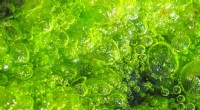
* Lakes and Rivers: Acid rain can acidify lakes and rivers, harming aquatic life. Many fish species cannot survive in acidic waters, while others experience reproductive problems and increased vulnerability to diseases.
* Ground Water: Acid rain can penetrate the soil and contaminate groundwater, making it unsafe for drinking and harming ecosystems that rely on it.
4. Other Materials:
* Glass: Acid rain can etch and damage glass, particularly antique glass, making it appear cloudy or frosted.
* Textiles: Acid rain can damage fabrics, causing fading, discoloration, and weakening of fibers.
Mitigation:
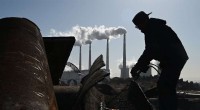
* Reducing emissions: The most effective way to reduce the impact of acid rain is to reduce the emissions of sulfur dioxide and nitrogen oxides, the primary pollutants responsible for its formation. This can be achieved through cleaner industrial processes, renewable energy sources, and improved vehicle emissions standards.
* Conservation efforts: Protecting forests, wetlands, and other ecosystems helps buffer the effects of acid rain and allows them to recover from damage.
* Building materials: Using materials resistant to acid rain, like granite or stainless steel, can help mitigate damage to structures.
In summary, acid rain causes significant damage to materials, including buildings, monuments, vegetation, and water systems. While there are mitigation measures, reducing emissions is the most effective way to prevent further damage and protect the environment.