C-H Bonds
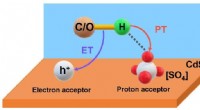
* What they are: A C-H bond is a covalent bond between a carbon atom (C) and a hydrogen atom (H).
* How they form: Carbon has four valence electrons, meaning it can form four bonds. Hydrogen has one valence electron and can form one bond. The sharing of these electrons creates a stable covalent bond.
* Strength: C-H bonds are relatively strong, making them common in organic molecules (molecules containing carbon).
* Found in:
* Hydrocarbons: Molecules composed only of carbon and hydrogen (like methane, propane, and gasoline)
* Many organic molecules: Including alcohols, aldehydes, ketones, and even complex biomolecules like proteins and carbohydrates.
O-H Bonds
* What they are: An O-H bond is a covalent bond between an oxygen atom (O) and a hydrogen atom (H).
* How they form: Oxygen has six valence electrons and can form two bonds. Hydrogen has one valence electron and can form one bond. The sharing of these electrons creates a stable covalent bond.
* Strength: O-H bonds are stronger than C-H bonds and are known for their polarity.
* Polarity: Oxygen is more electronegative than hydrogen, meaning it attracts the shared electrons more strongly. This creates a partial negative charge on the oxygen and a partial positive charge on the hydrogen, making the bond polar.
* Found in:
* Water (H₂O): The most common example.
* Alcohols: Molecules containing an -OH group (like ethanol).
* Carboxylic acids: Molecules containing a -COOH group (like acetic acid).
* Many other functional groups: These bonds are important in creating the unique properties of these groups.
Key Takeaways:
* Both C-H and O-H bonds are important in organic chemistry.
* C-H bonds are relatively strong and found in many organic molecules.
* O-H bonds are polar and play a crucial role in the properties of many molecules, especially water.
Let me know if you have any more questions!