Structure and Bonding:
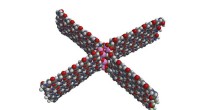
* Crystalline Structure: They have a highly ordered, three-dimensional arrangement of ions called a crystal lattice. This arrangement minimizes electrostatic repulsion and maximizes attraction.
* Ionic Bonding: The constituent ions are held together by strong electrostatic forces of attraction between oppositely charged ions. This results in a very strong bond.
Properties:
* High Melting and Boiling Points: Due to the strong ionic bonds, significant energy is required to break them apart, resulting in high melting and boiling points.
* Hard and Brittle: The rigid crystal structure makes them hard, but the ordered arrangement makes them brittle. If struck, the ions can shift, disrupting the electrostatic balance and causing the crystal to break.
* Poor Conductors of Electricity in Solid State: The ions are fixed in their positions in the crystal lattice, preventing the flow of charge.
* Good Conductors of Electricity in Molten State or Solution: When melted or dissolved, the ions become free to move, allowing for electrical conductivity.
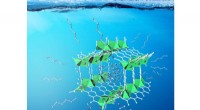
* Solubility: Many ionic compounds dissolve in polar solvents like water, where the polar water molecules can interact with and pull apart the ions.
Other Characteristics:
* High Density: The tightly packed structure of the crystal lattice leads to high density.
* Typically Transparent or Translucent: The arrangement of ions can affect how light passes through the compound.
Examples:
* Sodium chloride (NaCl)
* Potassium bromide (KBr)
* Calcium carbonate (CaCO3)
* Magnesium oxide (MgO)
Keep in mind that there can be some exceptions to these characteristics based on the specific ionic compound and its structure. However, the properties listed above are generally true for the majority of solid ionic compounds.