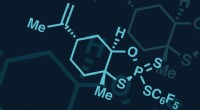
* Covalent bonds are the strongest type of chemical bond found in organic molecules. They are formed when atoms share electrons. This sharing allows atoms to achieve a stable electron configuration.
* Organic molecules are the building blocks of life and are essential components of food. They include carbohydrates, proteins, fats (lipids), and vitamins.
Examples of covalent compounds in food:
* Carbohydrates: Sugars like glucose and fructose are made up of carbon, hydrogen, and oxygen atoms linked by covalent bonds.
* Proteins: Proteins are chains of amino acids linked by peptide bonds, which are covalent bonds.
* Fats: Fats are made up of glycerol and fatty acid chains, all connected through covalent bonds.
* Vitamins: Vitamins are organic molecules with various structures, but they are all held together by covalent bonds.
Let's break it down:
* Water (H2O): While technically inorganic, water is essential for life and a key component of many foods. It contains covalent bonds between the hydrogen and oxygen atoms.
* Table salt (NaCl): Table salt is an ionic compound, not a covalent compound. Its atoms are held together by ionic bonds. However, it's a common seasoning and is important for our health.
So, the next time you enjoy a meal, remember that you're consuming countless covalent compounds, the backbone of the delicious molecules that nourish your body!