* Surface area: A larger surface area allows for more contact with the acid, leading to faster dissolution.
* Temperature: Higher temperatures increase the kinetic energy of the molecules, leading to faster reactions.
* Concentration of the acid: A higher concentration of acid leads to a faster reaction rate.
* Nature of the solid: The chemical composition of the solid and its reactivity with the acid play a crucial role.
Without knowing the specific samples, I cannot give you a definitive answer. However, I can provide some examples to illustrate the concept:
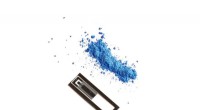
* Sample 1: Powdered magnesium vs. a magnesium block: The powder will dissolve faster due to its much larger surface area.
* Sample 2: Calcium carbonate chips vs. calcium carbonate powder: The powder will dissolve faster for the same reason.
* Sample 3: Zinc in cold HCl vs. Zinc in warm HCl: The zinc will dissolve faster in warm HCl due to the higher temperature.
To determine which sample would dissolve fastest, you would need to consider the relative surface area, the nature of the solid, and the temperature of the acid.