* Molten solution: The solvent is a liquid at a high temperature, usually a molten salt or metal. This means the solvent is in a liquid state due to the high temperature, not because it's dissolved in water.
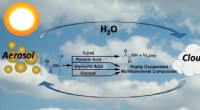
* Aqueous solution: The solvent is water (H₂O). This is the most common type of solution and is essential for many biological processes.
Here's a table summarizing the differences:
| Feature | Molten Solution | Aqueous Solution |
|---|---|---|
| Solvent | Molten salt or metal | Water (H₂O) |
| Temperature | High (above the melting point of the solvent) | Room temperature or near room temperature |
| Example | Molten sodium chloride (NaCl) | Salt water (NaCl dissolved in water) |
Key takeaway: While both types of solutions involve dissolving a solute in a solvent, the nature of the solvent determines the type of solution.