Here's a breakdown of how it happens:
1. Sources of SO2 and NOx:
* Fossil fuels: Burning fossil fuels like coal, oil, and gas is the primary source of SO2 and NOx. Power plants and industrial facilities are major contributors.
* Vehicles: Cars, trucks, and other vehicles emit NOx during combustion.
* Natural sources: Volcanoes, forest fires, and lightning can also release SO2 and NOx.
2. Chemical reactions in the atmosphere:
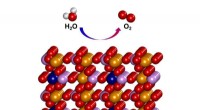
* SO2 reacts with oxygen and water to form sulfuric acid (H2SO4).
* NOx reacts with oxygen and water to form nitric acid (HNO3).
* These reactions are complex and can be influenced by sunlight, temperature, and the presence of other chemicals in the atmosphere.
3. Acid deposition:
* The resulting acids can fall to the ground in the form of rain, snow, fog, or dry particles.
* Wet deposition: Acidic rain, snow, and fog.
* Dry deposition: Acidic particles and gases settle on surfaces.
Impacts of acid rain:
* Environmental damage: Acid rain can harm forests, lakes, and rivers, causing acidification of soil and water, and damaging trees and aquatic life.
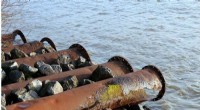
* Material damage: Acid rain can damage buildings, monuments, and other structures.
* Human health: Acid rain can contribute to respiratory problems, especially in people with pre-existing conditions.
Reducing acid rain:
* Using cleaner fuels: Switching to renewable energy sources like solar and wind power.
* Improving fuel efficiency: Reducing fuel consumption in vehicles and industrial processes.
* Installing pollution control devices: Scrubbers and other technologies can remove SO2 and NOx from emissions.
In summary, acid rain is formed when sulfur dioxide and nitrogen oxides released into the atmosphere react with water, oxygen, and other chemicals to create sulfuric acid and nitric acid, which then fall to the ground. This process has detrimental effects on the environment, human health, and infrastructure, highlighting the need for pollution control measures to reduce emissions and protect the environment.