1. Water: The most abundant compound in the body, essential for hydration, regulating temperature, transporting nutrients, and removing waste.
2. Carbohydrates: Provide energy, contribute to cell structure, and are involved in various metabolic processes. Examples include glucose, glycogen, and starch.
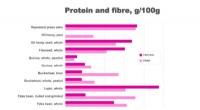
3. Proteins: Building blocks of tissues, enzymes, hormones, and antibodies. They are also involved in transporting nutrients and fighting infections. Examples include collagen, hemoglobin, and insulin.
4. Lipids (Fats & Oils): Provide energy storage, insulation, and protection for organs. They also form the basis of cell membranes and hormones. Examples include cholesterol, triglycerides, and phospholipids.
5. Vitamins: Essential organic compounds that cannot be synthesized by the body, playing vital roles in various functions like vision, growth, and immune health. Examples include vitamin A, vitamin C, vitamin D, and vitamin B complex.
6. Minerals: Inorganic elements essential for bone health, nerve function, muscle contraction, and many other processes. Examples include calcium, iron, magnesium, potassium, and sodium.
7. Nucleic Acids: DNA and RNA, responsible for storing and expressing genetic information, directing protein synthesis, and controlling cell function.
8. Hormones: Chemical messengers produced by glands, regulating various bodily functions like growth, metabolism, mood, and reproduction. Examples include insulin, testosterone, and estrogen.
9. Neurotransmitters: Chemical messengers that transmit signals between nerve cells, influencing mood, sleep, appetite, and many other processes. Examples include dopamine, serotonin, and acetylcholine.
10. Enzymes: Biological catalysts that speed up chemical reactions in the body, enabling essential processes like digestion, metabolism, and DNA replication. Examples include lactase, amylase, and pepsin.
It's important to note that this is a simplified list, and each category contains numerous compounds that are all essential for maintaining human health.