* Structure: Each water molecule has two hydrogen atoms and one oxygen atom. The oxygen atom has two lone pairs of electrons.
* Hydrogen Bonding: Hydrogen bonds form when a hydrogen atom is bonded to a highly electronegative atom (like oxygen), creating a partial positive charge on the hydrogen and a partial negative charge on the oxygen. The partial positive hydrogen can then interact with the lone pair of electrons on another oxygen atom.
* Four Interactions: Each water molecule can form two hydrogen bonds with its hydrogen atoms and two more hydrogen bonds using its lone pairs of electrons.
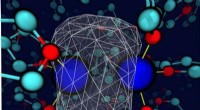
Visualizing It: Imagine a water molecule surrounded by other water molecules. Each water molecule can have two hydrogen bonds extending from its hydrogen atoms, pointing towards the lone pairs of oxygen atoms on adjacent water molecules. It can also form two hydrogen bonds with its lone pairs, pointing towards the hydrogen atoms of other water molecules.
Important Note: The number of hydrogen bonds a water molecule can form at any given time can vary depending on the local environment. However, it has the potential to form up to four hydrogen bonds.