1. Visual Observation:
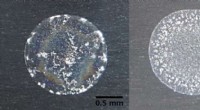
* Undissolved Salt: If you add salt to water and you see solid salt crystals at the bottom of the container that aren't dissolving, you've reached the solubility limit. The solution is saturated.
2. Temperature:
* Solubility Increases with Temperature: The solubility of most solids in liquids, including salt in water, increases as the temperature rises. If you heat the solution and more salt dissolves, you know you weren't at the solubility limit at the lower temperature.
3. Testing with More Salt:
* No More Dissolving: Add a small amount of salt to the solution. If it dissolves, the solution is still unsaturated. If it doesn't dissolve, you've hit the solubility limit.
Important Notes:
* Solubility Limit Varies: The solubility of salt in water is about 36 grams per 100 milliliters of water at room temperature (25°C). However, this can vary slightly depending on factors like temperature and the presence of other dissolved substances.
* Supersaturation: It's possible to create a supersaturated solution, where more salt is dissolved than the normal solubility limit allows. These solutions are unstable and the excess salt will precipitate out quickly if disturbed.
Let me know if you'd like to explore any of these concepts in more detail!