* Volcanic activity: Early Earth was very volcanically active, releasing gases like water vapor (H2O), carbon dioxide (CO2), nitrogen (N2), sulfur dioxide (SO2), methane (CH4), and ammonia (NH3).
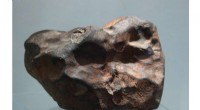
* Meteorite composition: Meteorites contain gases that are thought to have been present in the early solar system, providing clues about the initial composition of Earth's atmosphere.
* Geochemical analysis: Studying rocks from that era helps determine the composition of the atmosphere at the time.
The most commonly accepted hypothesis for the composition of the early Earth's atmosphere is:
* Dominated by: Water vapor (H2O), Carbon dioxide (CO2), and Nitrogen (N2).
* Significant amounts: Methane (CH4), Ammonia (NH3), and Sulfur dioxide (SO2).
* Very little: Free oxygen (O2).
Important Note: This is a hypothesis, and research continues to refine our understanding of the early Earth's atmosphere.
Let me know if you'd like more information about any of these aspects!