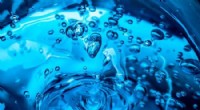
* Water and oil: Oil floats on water because it's less dense. They don't mix and form distinct layers.
* Vinegar and oil: Similar to water and oil, vinegar and oil don't mix. This is why you see separate layers in salad dressings.
* Juice and water: You can mix juice and water to dilute the flavor. They form a homogeneous mixture, meaning the components are evenly distributed.
* Alcohol and water: These liquids mix completely to form a homogeneous mixture.
* Milk and cereal: While not strictly just liquids, the milk and cereal together form a mixture.
Important Note: Mixtures can be either homogeneous (uniform throughout, like salt dissolved in water) or heterogeneous (different parts are visible, like sand and water). The examples above illustrate both types of liquid mixtures.