1. Breathing and Gas Exchange in the Lungs:
* Inhalation: You breathe in air, drawing it into your lungs. This air contains approximately 21% oxygen.
* Alveoli: The oxygen travels down your windpipe (trachea) and into tiny air sacs in your lungs called alveoli. These alveoli are surrounded by tiny blood vessels called capillaries.
* Diffusion: The oxygen diffuses across the thin walls of the alveoli and capillaries, moving from the area of higher concentration (in the inhaled air) to the area of lower concentration (in the blood).
2. The Circulatory System's Role:
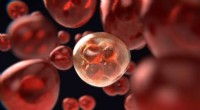
* Red Blood Cells: Oxygen molecules bind to a protein called hemoglobin in your red blood cells. Hemoglobin is extremely efficient at carrying oxygen, allowing your blood to transport a large amount.
* Heart Pumping: Your heart acts as a powerful pump, circulating the oxygen-rich blood throughout your body.
* Capillaries: As the blood travels through the body, it reaches tiny capillaries that are close to every cell.
* Cellular Respiration: Oxygen diffuses from the blood into the cells, where it is used in cellular respiration. Cellular respiration is the process by which cells convert glucose (sugar) into energy, releasing carbon dioxide as a byproduct.
3. Exhalation:
* Carbon Dioxide Removal: As cells use oxygen, they produce carbon dioxide, which diffuses back into the blood.
* Lung and Blood Exchange: The carbon dioxide-rich blood travels back to the lungs, where it diffuses into the alveoli.
* Exhaling: You exhale the carbon dioxide-rich air, removing it from your body.
Key Points:
* Efficiency: The human body is incredibly efficient at delivering oxygen. Red blood cells are specifically designed to carry oxygen, and the circulatory system is highly efficient at transporting blood throughout the body.
* Continuous Process: This entire process is a continuous cycle, ensuring a constant supply of oxygen to your cells.
* Importance: Oxygen is vital for life. Without oxygen, our cells cannot produce energy, and we would quickly die.