Biodegradable materials:
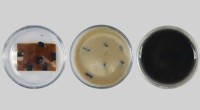
* Composting: Organic materials like food scraps, leaves, and paper break down through the process of composting. Microorganisms like bacteria and fungi feed on the material, turning it into nutrient-rich compost.
* Degradation: Even without intentional composting, biodegradable materials will eventually break down over time due to exposure to sunlight, water, and microorganisms. This process can take years, depending on the material and environmental conditions.
Non-biodegradable materials:
* Physical breakdown: Plastics, metals, and glass won't decompose like organic materials. They might break into smaller pieces over time, but they won't disappear.
* Chemical reactions: Some plastics can degrade under specific conditions (like UV light exposure), but this process is slow and can still leave behind harmful microplastics.
Important Notes:
* Landfills: Landfills are designed to slow down the decomposition process, preventing the release of harmful substances into the environment.
* Recycling: Recycling allows us to reuse materials instead of sending them to landfills, extending the lifespan of resources and reducing pollution.
Here's the key takeaway:
While some trash can break down naturally, many materials are non-biodegradable and remain in the environment for long periods. This highlights the importance of responsible waste management and reducing our reliance on materials that don't decompose.