Here's a breakdown of what's typically involved:
Equipment:
* Graduated cylinder: This is the most common tool for measuring liquids accurately. You'd choose one with a capacity slightly larger than 50 ml.
* Beaker: A beaker is a good choice for holding the liquid once it's been transferred.
* Funnel: A funnel can help avoid spills when pouring, especially if the receiving container has a narrow opening.
Procedure:
1. Measure the liquid: Use the graduated cylinder to carefully measure 50 ml of the liquid.
2. Pour carefully: Slowly pour the liquid from the graduated cylinder into the beaker, using a funnel if necessary.
3. Clean up: Dispose of any excess liquid and clean all equipment thoroughly.
Important Considerations:
* Liquid type: Some liquids are corrosive or hazardous, so appropriate safety precautions should be taken.
* Accuracy: The level of accuracy needed will determine the choice of equipment. If precise measurements are required, a graduated cylinder is best.
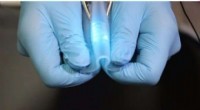
* Safety: Always wear appropriate safety equipment, such as gloves and safety glasses, when working with liquids in a lab.
Let me know if you have any other questions!