Here's why:
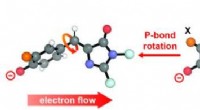
* Electron Acceptor: In cellular respiration, the final electron acceptor is typically an inorganic molecule like oxygen.
* Fermentation: In fermentation, an organic molecule (like pyruvate) acts as the final electron acceptor. This is because there's a lack of oxygen (anaerobic conditions).
* Energy Production: Fermentation generates ATP (energy) but far less efficiently than aerobic respiration.
Example: Lactic acid fermentation, a common type of fermentation, uses pyruvate as the final electron acceptor, converting it to lactic acid.
Let me know if you have any more questions!