Here's why:
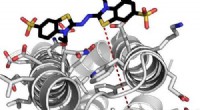
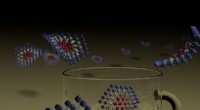
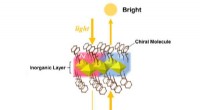
* Thylakoid Membrane Structure: This membrane forms flattened sacs called thylakoids, which are stacked into structures called grana. The thylakoid membrane contains embedded proteins, pigments (like chlorophyll), and electron carriers crucial for the light-dependent reactions.
* Light Absorption and Energy Conversion: Chlorophyll molecules within the thylakoid membrane absorb light energy. This energy is used to excite electrons and initiate the electron transport chain, a series of reactions that ultimately produce ATP (energy currency) and NADPH (reducing power).
* Proton Gradient and ATP Synthesis: The electron transport chain also pumps protons (H+) into the thylakoid lumen, creating a proton gradient across the membrane. This gradient drives ATP synthesis through ATP synthase, an enzyme embedded in the thylakoid membrane.
Therefore, the thylakoid membrane serves as the physical platform and contains the necessary components for the light-dependent reactions to occur.