Fossil fuel + Oxygen → Carbon dioxide + Water + Energy
However, the specific equation depends on the type of fossil fuel. Here are some examples:
Combustion of Methane (natural gas):
CH₄ (methane) + 2O₂ (oxygen) → CO₂ (carbon dioxide) + 2H₂O (water) + Energy
Combustion of Propane:
C₃H₈ (propane) + 5O₂ (oxygen) → 3CO₂ (carbon dioxide) + 4H₂O (water) + Energy
Combustion of Octane (a component of gasoline):
2C₈H₁₈ (octane) + 25O₂ (oxygen) → 16CO₂ (carbon dioxide) + 18H₂O (water) + Energy
Combustion of Coal (primarily carbon):
C (carbon) + O₂ (oxygen) → CO₂ (carbon dioxide) + Energy
Important Notes:
* This is a simplified representation of the combustion process. In reality, there can be other products like carbon monoxide (CO), nitrogen oxides (NOx), and sulfur dioxide (SO₂), depending on the fuel composition, temperature, and oxygen availability.
* The energy released during combustion is represented by the "Energy" term in the equation. This energy is what we utilize for heating, power generation, and transportation.
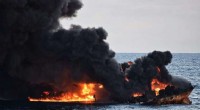
* The combustion of fossil fuels is a major source of greenhouse gas emissions, particularly carbon dioxide, which contribute to climate change.
To sum it up, the equation for the combustion of fossil fuel is a general chemical reaction that describes the burning of hydrocarbon fuels with oxygen to produce carbon dioxide, water, and energy. The specific equation varies depending on the type of fossil fuel.