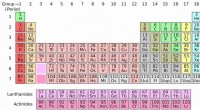
* Size of the Fluorine Atom: Fluorine is very small and has a high electronegativity. This means its nucleus can strongly attract the shared electron pair in the bond. However, fluorine is also very electronegative, making it difficult to lose an electron and become an anion.
* Hydrogen's Unique Behavior: While hydrogen isn't particularly electronegative, it has a strong tendency to form a single covalent bond. This makes it less likely to completely lose its electron and become a cation.
* Bond Strength: The bond between hydrogen and fluorine is surprisingly strong due to the small size and high electronegativity of fluorine. This strong bond makes it less likely to completely transfer electrons.
What makes HF polar covalent?
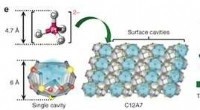
While the shared electron pair is pulled strongly towards the fluorine atom, it's not entirely transferred. This creates a partial negative charge on the fluorine atom (δ-) and a partial positive charge on the hydrogen atom (δ+). This uneven distribution of charge makes the molecule polar.
Key Point: Even though the electronegativity difference is significant, the interplay of factors like size, bond strength, and hydrogen's behavior leads to the formation of a strong, polar covalent bond in HF.