Here's why:
* Chemical Structure: Mineral oil is composed of long hydrocarbon chains. These chains are non-polar, meaning they don't have a charge separation like water molecules do (which are polar).
* "Like Dissolves Like": Water is a polar solvent, and polar substances dissolve in polar solvents. Non-polar substances, like mineral oil, dissolve in non-polar solvents.
What you can do:
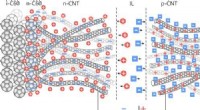
* Emulsions: You can create a temporary suspension of tiny mineral oil droplets in water by using an emulsifier. Emulsifiers have both polar and non-polar parts, allowing them to bridge the gap between the oil and water. However, these emulsions are not truly water-soluble; they are unstable and will eventually separate.
* Microemulsions: These are more stable than emulsions, but they require specialized surfactants and specific conditions.
* Alternatives: Consider using other oils that are naturally water-soluble, like vegetable oils or essential oils.
Important Note: Be cautious with any method that claims to make mineral oil water-soluble. There are many misleading products on the market, and some may be unsafe for human consumption.