There are two main ways nitrogen fixation occurs:
1. Biological Nitrogen Fixation:
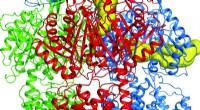
* Microorganisms: Certain bacteria, primarily those found in the soil and water, are capable of fixing nitrogen. These bacteria possess a special enzyme called nitrogenase, which allows them to break the strong triple bond between nitrogen atoms in N₂ and convert it into ammonia (NH₃).
* Process: These bacteria use energy from sunlight or the oxidation of organic compounds to fuel the process.
* Examples: Nitrogen-fixing bacteria include *Rhizobium*, *Azotobacter*, and *Cyanobacteria*.
2. Industrial Nitrogen Fixation (Haber-Bosch Process):
* Human-made process: This is a high-temperature, high-pressure process used to produce ammonia on a large scale for fertilizers and other industrial uses.
* Process: Nitrogen gas and hydrogen gas are reacted over a catalyst at high temperatures and pressures to produce ammonia.
* Equation: N₂ + 3H₂ → 2NH₃
Both processes are crucial for life on Earth:
* Biological fixation: Provides the primary source of nitrogen for plants, which then use it to synthesize proteins, nucleic acids, and other essential compounds.
* Industrial fixation: Provides a significant source of nitrogen for fertilizers, which are essential for maintaining high crop yields and feeding the growing human population.
It's important to note that while nitrogen fixation is essential, excess nitrogen in the environment can lead to problems such as eutrophication of water bodies and greenhouse gas emissions.