1. Paint: Paint is a suspension of pigments and binders in a liquid carrier (usually water or oil). This allows it to be easily applied to surfaces, spread evenly, and cover large areas. Imagine trying to paint a wall with dry pigment powder - it would be messy and inefficient.
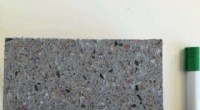
2. Concrete: While not technically a "fluid" in the same way as paint, concrete is a slurry that's poured into molds. This fluidity allows it to conform to the shape of the mold and create complex structures.
3. Medications: Many medications are prepared as syrups, suspensions, or solutions to make them easier to swallow and administer. Think about the difference between taking a pill and drinking a cough syrup.
4. Food: Many foods are prepared in liquid form to make them easier to consume. Think about yogurt, soup, or even ketchup. Imagine trying to eat a solid block of cheese instead of a slice!
5. Cosmetics: Lotions, creams, and liquid makeup are all examples of materials prepared as fluids for easier application and smoother results.
6. Adhesives: Glue and other adhesives are often prepared as fluids to allow them to penetrate surfaces and form a strong bond. Think about how much easier it is to use liquid glue than a solid block of glue!
7. Cleaning Products: Liquid cleaning products are easier to apply and distribute than solid cleaning agents. This makes them more efficient for cleaning various surfaces.
8. Fertilizer: Liquid fertilizer is absorbed more quickly by plants than solid fertilizer, making it a more efficient way to deliver nutrients.
9. Insecticides: Liquid insecticides are easier to spray and distribute over a wider area, making it more effective to control pest populations.
These are just a few examples. The preparation of materials as fluids allows for easier application, mixing, distribution, and control, making them much more convenient and efficient to use.