* DNA Structure: DNA is made up of two strands of nucleotides. Each nucleotide consists of a sugar molecule (deoxyribose), a phosphate group, and a nitrogenous base.
* Phosphate Groups: The phosphate groups in DNA are attached to the 5' carbon of the sugar molecule in each nucleotide. These phosphate groups are negatively charged.
* Overall Charge: Since each nucleotide contains a negatively charged phosphate group, the entire DNA molecule carries a net negative charge.
Why are phosphate groups negatively charged?
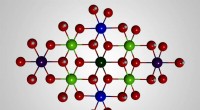
Phosphate groups have four oxygen atoms bonded to a phosphorus atom. The oxygen atoms are highly electronegative, meaning they attract electrons strongly. This uneven distribution of electrons results in a negative charge on the phosphate group.
Importance of DNA's Negative Charge:
The negative charge of DNA plays a crucial role in various cellular processes:
* DNA Packaging: The negative charges on DNA strands repel each other, contributing to the coiling and packaging of DNA into chromosomes.
* DNA Replication and Transcription: The negative charge helps DNA interact with enzymes involved in DNA replication and transcription, facilitating these processes.
* DNA Binding Proteins: Many proteins involved in DNA-related functions bind to DNA through electrostatic interactions, attracted by the negative charge.
In summary, the negative charge of DNA is a fundamental property arising from the phosphate groups in its backbone. This charge plays a vital role in DNA structure, function, and interactions with other molecules.