Here's a breakdown of the different types of cofactors:
* Coenzymes: These are organic molecules that are often derived from vitamins. They participate directly in the chemical reaction by accepting or donating electrons or atoms. Examples include NAD+, FAD, and coenzyme A.
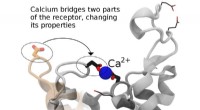
* Metal ions: These are inorganic ions that are often required for the catalytic activity of the enzyme. They can help stabilize the enzyme structure, participate in electron transfer reactions, or interact with the substrate. Examples include magnesium (Mg2+), zinc (Zn2+), and iron (Fe2+).
Cofactors are essential for the function of many enzymes. They can:
* Bind to the active site of the enzyme: This helps to position the substrate correctly for catalysis.
* Participate directly in the chemical reaction: They can accept or donate electrons, atoms, or functional groups.
* Stabilize the enzyme structure: This is important for maintaining the enzyme's activity.
Here are some examples of enzymes that require cofactors:
* Hexokinase: This enzyme requires magnesium ions (Mg2+) to catalyze the phosphorylation of glucose.
* Alcohol dehydrogenase: This enzyme requires the coenzyme NAD+ to catalyze the oxidation of alcohol.
* Carboxylase: This enzyme requires the coenzyme biotin to catalyze the transfer of carbon dioxide.
In summary, cofactors are essential for the function of many enzymes. They are nonprotein molecules that bind to enzymes temporarily during chemical reactions, helping to facilitate the reaction process.