Here's a breakdown:
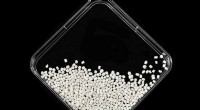
Mannitol: A sugar alcohol found naturally in some fruits and vegetables.
Mannitol fermentation: The process where certain bacteria break down mannitol into simpler molecules, releasing acid as a by-product.
Indicator: A chemical (often phenol red) is added to the culture medium. This indicator changes color in response to the acidity of the medium.
How it works:
1. A sample of bacteria is inoculated into a culture medium containing mannitol and the indicator.
2. If the bacteria can ferment mannitol, they will produce acid, lowering the pH of the medium.
3. This change in pH will cause the indicator to change color, typically from red to yellow.
Significance:
* Differential testing: Mannitol fermentation is a key test in identifying certain pathogenic bacteria, such as Staphylococcus aureus (which ferments mannitol and produces yellow colonies).
* Identifying potential pathogens: Mannitol fermentation can help differentiate between non-pathogenic and pathogenic strains of bacteria.
* Monitoring food safety: This test can be used to monitor the presence of potentially harmful bacteria in food.
Example:
Staphylococcus aureus, a common skin bacteria, can ferment mannitol. When grown on mannitol salt agar, it produces yellow colonies due to the acid production, while other staphylococci species produce white or pink colonies.
Note: Mannitol fermentation is just one of many tests used to identify and characterize bacteria. It is often used in conjunction with other tests to provide a more complete picture of a bacterium's characteristics.