Here's how it works:
1. Plants have tiny pores called stomata on their leaves. These pores open and close to allow for gas exchange.
2. Carbon dioxide (CO2) from the air enters the plant through the stomata.
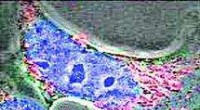
3. Inside the plant, CO2 is transported to the chloroplasts, which are the organelles where photosynthesis takes place.
4. During photosynthesis, the plant uses CO2, water (H2O), and sunlight to create glucose (sugar) and oxygen (O2). The glucose provides energy for the plant, and the oxygen is released back into the atmosphere.
So, in summary, the carbon dioxide used in photosynthesis comes from the air surrounding the plant and enters through the stomata on its leaves.