CO₂(g) + H₂O(l) ⇌ H₂CO₃(aq)
Here's a breakdown:
* CO₂(g): Carbon dioxide gas
* H₂O(l): Liquid water
* H₂CO₃(aq): Carbonic acid dissolved in water
The equilibrium favors the formation of carbonic acid. However, carbonic acid is a weak acid, meaning it only partially dissociates in water, forming hydrogen ions (H⁺) and bicarbonate ions (HCO₃⁻):
H₂CO₃(aq) ⇌ H⁺(aq) + HCO₃⁻(aq)
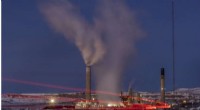
Overall, the aeration of CO₂ into water leads to a decrease in pH, making the solution slightly acidic. This is why carbonated beverages are acidic, and it also contributes to the acidity of rainwater, leading to acid rain.