1. Carbohydrates: These are made up of carbon, hydrogen, and oxygen atoms. They provide energy and structural support to the cell. Examples include sugars, starches, and cellulose.
2. Lipids (Fats): Composed of carbon, hydrogen, and oxygen, but with a higher proportion of carbon and hydrogen than carbohydrates. They store energy, form cell membranes, and act as hormones. Examples include triglycerides, phospholipids, and steroids.
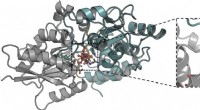
3. Proteins: These are made up of amino acids, which are linked together by peptide bonds. Proteins perform a wide variety of functions in the cell, including structural support, transport, and catalysis. Examples include enzymes, antibodies, and collagen.
4. Nucleic Acids: These are made up of nucleotides, which are composed of a sugar, a phosphate group, and a nitrogenous base. They carry genetic information and direct protein synthesis. Examples include DNA and RNA.
In addition to these four main types, cells also contain a variety of inorganic molecules, which are essential for cell function. These include water, salts, and minerals.
Let me know if you'd like to know more about any of these building blocks!