1. Natural Sources:
* The Sun: The most abundant source of UV light is the Sun. It emits a wide range of UV wavelengths, including UVA, UVB, and UVC. However, the Earth's atmosphere filters out most of the harmful UVC rays.
2. Artificial Sources:
* Mercury Vapor Lamps: These lamps emit a strong UV output and are commonly used in tanning beds, disinfecting equipment, and scientific research.
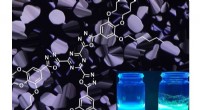
* Black Lights: These are fluorescent lamps that emit primarily UVA light, often used for special effects and to make fluorescent materials glow.
* Excimer Lasers: These lasers use a mixture of noble gases to produce highly focused UV light, used in eye surgery, semiconductor manufacturing, and micromachining.
* LEDs: While not as efficient as traditional UV sources, UV LEDs are becoming increasingly popular due to their energy efficiency, compact size, and long lifespan.
* Other Techniques:
* Spark Discharge: Creating a spark between electrodes can generate UV light. This method is used in some analytical instruments.
* High-energy Electrons: When high-energy electrons interact with matter, they can generate UV light. This is used in electron microscopes and some medical imaging techniques.
Important Note: UV light can be harmful to human skin and eyes. Always use UV light sources with caution and wear appropriate protective eyewear and clothing.
In summary: You can't "make" UV light, but you can generate it using various natural and artificial sources. Each method has its own advantages and applications depending on the desired wavelength and intensity of UV light.