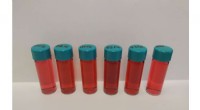
Here's what's going on:
* Carbon's versatility: Carbon is a fascinating element with many allotropes (different structural forms). These include diamond, graphite, graphene, fullerenes, carbon nanotubes, etc.
* Friction-reducing properties: Some of these carbon structures have inherently low friction, like graphene and certain carbon nanotubes. This is due to their smooth, layered structure and weak interlayer interactions.
* Surface modification: Scientists can further enhance the "slippery" nature of carbon materials by:
* Applying coatings: Creating thin coatings of these low-friction carbon materials onto other surfaces to make them slippery.
* Modifying surface structure: Creating textured surfaces or nano-patterns to minimize contact points and friction.
* Introducing specific functional groups: Adding chemical groups to the surface that repel other materials, further reducing friction.
Here are some examples of what's being done with "slippery carbon":
* Coatings for medical implants: Reducing friction in artificial joints and other medical devices to prevent wear and tear and improve biocompatibility.
* Anti-fouling surfaces: Creating self-cleaning surfaces that repel bacteria and other organisms, useful for medical instruments, water filtration, and marine applications.
* Lubricants: Developing new, highly effective lubricants for various applications, from engine oil to aerospace components.
* High-performance electronics: Creating more efficient and reliable components for devices like smartphones and computers.
In summary: "Slippery carbon" refers to the use of various carbon-based materials and technologies to achieve extremely low friction and create innovative applications.