Ionic Compounds:
* Strong Electrostatic Attractions: Ionic compounds consist of positively charged cations and negatively charged anions held together by strong electrostatic forces. These forces are much stronger than the forces between molecules in molecular compounds.
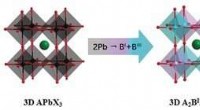
* Lattice Structure: Ions in ionic compounds form a rigid, three-dimensional lattice structure. This structure requires a significant amount of energy to break apart, leading to high melting and boiling points.
Molecular Compounds:
* Weaker Intermolecular Forces: Molecular compounds are held together by weaker intermolecular forces, such as van der Waals forces, hydrogen bonding, and dipole-dipole interactions. These forces are much weaker than the electrostatic forces in ionic compounds.
* Less Energy Required to Break Bonds: The weaker intermolecular forces in molecular compounds require less energy to overcome, resulting in lower melting and boiling points.
In Summary:
The stronger electrostatic attractions and rigid lattice structure in ionic compounds require a much higher amount of energy to overcome compared to the weaker intermolecular forces in molecular compounds. This results in ionic compounds having significantly higher melting and boiling points than molecular compounds.