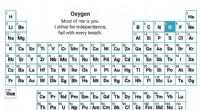
* Calcium (Ca) is a metal and tends to lose electrons to achieve a stable electron configuration. It has 2 valence electrons (electrons in its outermost shell).
* Chlorine (Cl) is a nonmetal and tends to gain electrons to achieve a stable electron configuration. It has 7 valence electrons.
When calcium and chlorine react, each chlorine atom gains one electron from the calcium atom. This leaves the calcium atom with a +2 charge and each chlorine atom with a -1 charge.
Here's the breakdown:
* Calcium: Ca → Ca²⁺ + 2e⁻ (loses 2 electrons, becomes positively charged)
* Chlorine: 2Cl + 2e⁻ → 2Cl⁻ (gains 2 electrons, each becomes negatively charged)
The result is the formation of calcium chloride (CaCl₂), an ionic compound with a neutral overall charge.