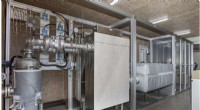
A gas boiler uses natural gas or propane to heat water, which is then circulated throughout a building for heating and hot water. Here's a breakdown of the process:
1. Combustion: Gas is burned in a combustion chamber, creating heat.
2. Heat Transfer: This heat is transferred to water flowing through a heat exchanger.
3. Circulation: The heated water is then pumped throughout the system via a network of pipes and radiators or underfloor heating.
4. Temperature Control: A thermostat monitors the temperature of the water and adjusts the gas flow to maintain the desired temperature.
5. Exhaust: The byproducts of combustion, such as carbon dioxide and water vapor, are vented outside through a flue.
Key Components:
* Gas Valve: Controls the flow of gas to the combustion chamber.
* Combustion Chamber: Where the gas is burned.
* Heat Exchanger: Transfers heat from the combustion chamber to the water.
* Circulation Pump: Moves the heated water through the system.
* Thermostat: Controls the temperature of the water.
* Flue: Vents the combustion byproducts outside.
Gas boilers are primarily used for:
* Central Heating: Heating living spaces by circulating hot water through radiators or underfloor heating.
* Domestic Hot Water: Providing hot water for showers, baths, sinks, and appliances.
Advantages of Gas Boilers:
* Efficiency: Gas boilers are generally very efficient in converting fuel to heat.
* Cost-Effectiveness: Gas is typically cheaper than other heating fuels like oil.
* Reliability: Gas boilers are known for their durability and reliability.
* Compact Size: They can fit in relatively small spaces.
Disadvantages of Gas Boilers:
* Installation Costs: Initial installation costs can be higher than other heating systems.
* Maintenance: Regular maintenance is required to ensure optimal performance and safety.
* Safety Concerns: Gas leaks and other safety concerns are possible if not properly installed and maintained.
* Environmental Impact: Burning gas produces greenhouse gas emissions.
Overall, gas boilers are a popular choice for heating and hot water in many homes and buildings due to their efficiency, cost-effectiveness, and reliability. However, it's important to consider the potential drawbacks and ensure proper installation and maintenance for safety and optimal performance.