Here are their major contributions:
Gerhard Ertl (1936-present)
* Nobel Prize in Chemistry (2007): Awarded for his "studies of chemical processes on solid surfaces".
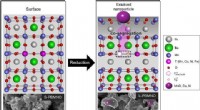
* Surface Chemistry: Ertl's research focused on understanding the fundamental processes that occur on surfaces, particularly in the context of catalysis.
* Catalysis: He investigated how different materials act as catalysts, speeding up chemical reactions without being consumed in the process. This is crucial for many industrial processes, from fuel production to environmental protection.
* Surface Science: His work led to the development of sophisticated experimental techniques for studying surface reactions, including low-energy electron diffraction (LEED), Auger electron spectroscopy (AES), and high-resolution electron energy loss spectroscopy (HREELS).
* Haber-Bosch Process: Ertl's research elucidated the intricate details of the Haber-Bosch process, a crucial industrial process for ammonia synthesis used in fertilizer production.
Hermann Becher (1931-2011)
* Organic Chemistry: Becher made significant contributions to organic chemistry, especially in the field of heterocyclic chemistry.
* Heterocyclic Compounds: He researched the structure, properties, and synthesis of heterocyclic compounds, which are ring-shaped molecules containing atoms other than carbon. These compounds are important in various areas, including pharmaceuticals, agriculture, and materials science.
* Becher's Reagent: He is known for developing a reagent, "Becher's reagent," which is used in the synthesis of specific heterocyclic compounds.
* Textbook Author: Becher authored several textbooks on organic chemistry, which have been used by students and researchers worldwide.
Both Ertl and Becher were highly respected scientists whose research significantly impacted the field of chemistry. Their work has led to advancements in understanding fundamental chemical processes and has had a profound impact on various industries and aspects of our lives.