Here's a breakdown:
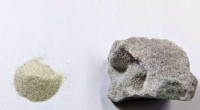
* Geosphere (rocks): This sphere holds the largest amount of carbon, estimated to be around 66-100 million gigatons (GtC). This carbon is primarily stored in sedimentary rocks like limestone and dolomite.
* Oceans: The second-largest carbon reservoir is the oceans, holding approximately 38,000 GtC. This carbon is dissolved in seawater and in marine organisms.
* Soil: Soil stores about 2,300 GtC in the form of organic matter and in the mineral composition of the soil itself.
* Atmosphere: The atmosphere contains a relatively small amount of carbon (around 830 GtC) compared to the other spheres, primarily in the form of carbon dioxide.
* Biosphere: The biosphere includes all living organisms, and it stores around 560 GtC.
While the atmosphere might seem like a significant carbon reservoir, it's important to remember that the geosphere holds vastly more carbon than any other sphere. This makes the geosphere a crucial component in the global carbon cycle, influencing climate change and the Earth's overall carbon balance.