Here's how it works:
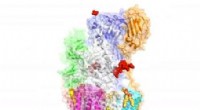
* Enzymes are biological catalysts that speed up chemical reactions. In digestion, enzymes break down the chemical bonds that hold large molecules together.
* Large molecules like carbohydrates, proteins, and fats are too big to be absorbed directly by the body.
* Enzymes break these large molecules into smaller subunits:
* Carbohydrates are broken down into simple sugars like glucose.
* Proteins are broken down into amino acids.
* Fats are broken down into fatty acids and glycerol.
* Smaller molecules are then easily absorbed into the bloodstream and transported to cells throughout the body, where they can be used for energy, growth, and repair.
This process occurs in the digestive system, which includes organs like the mouth, stomach, small intestine, and large intestine, each with specific enzymes that act on different food components.