Visual Observations:
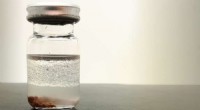
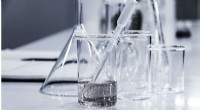
* Bubbling or Effervescence: This is the most obvious sign. You see bubbles forming and rising in a liquid or solution.
* Foaming: Similar to bubbling, but the gas is trapped within a liquid, forming a foam.
* Change in volume: If the reaction is taking place in a closed container, the pressure will increase as gas is produced. This can cause the container to expand or even burst.
Other Observations:
* Odor: Many gases have distinct smells, like the pungent smell of ammonia or the rotten egg smell of hydrogen sulfide.
* Sound: Some reactions involving gas production may produce a hissing sound.
* Appearance of a "fog" or "mist": This can occur when the gas produced condenses in the air, forming tiny droplets.
Important Note: These observations are indicators, but they aren't definitive proof. It's always a good idea to confirm your suspicions with other methods like:
* Using a gas collection apparatus: This will allow you to collect and analyze the gas produced.
* Testing the gas with specific reagents: Certain reagents can react with specific gases, providing further confirmation.
Example:
If you mix baking soda (sodium bicarbonate) with vinegar (acetic acid), you'll observe bubbling. This indicates that carbon dioxide gas is being produced. You could further confirm this by collecting the gas and testing it with limewater, which will turn cloudy in the presence of carbon dioxide.